Overgrown Land That Limits Property Access
Brush Hogging and Field Mowing in Jefferson for hunting properties and acreage with unmanaged vegetation
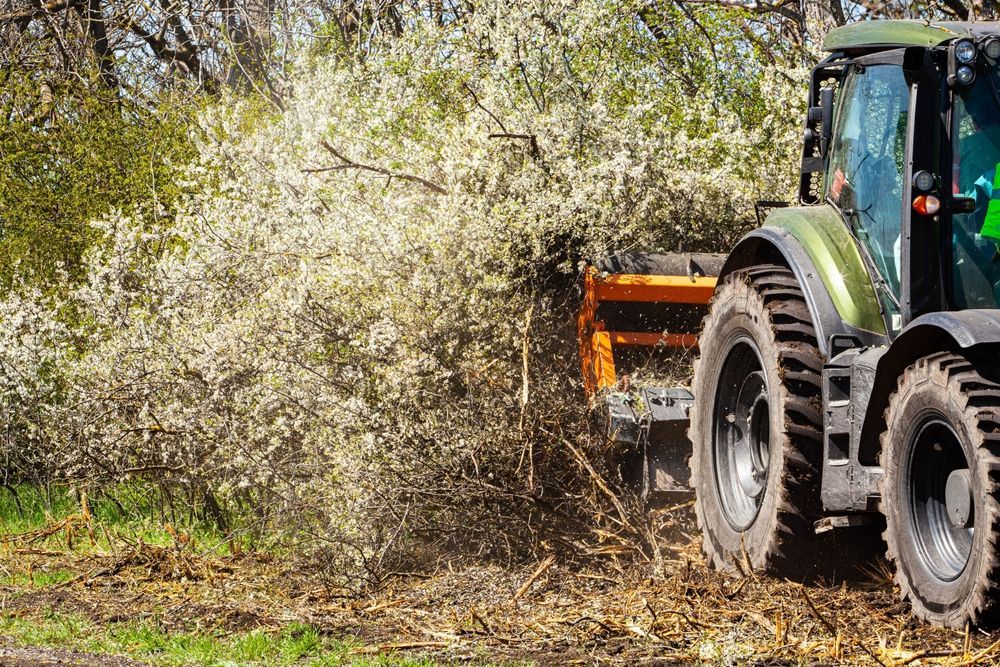
Tall grass, thick brush, and invasive growth reduce how much of a property is actually usable, blocking trails that once provided access to food plots or stand locations and creating dense cover that makes it difficult to move equipment or monitor wildlife activity. Snow & Seed Property Maintenance provides brush hogging and field mowing services across Jefferson and Fort Atkinson, cutting through vegetation that standard mowing equipment can't handle and restoring access to rural properties, hunting acreage, and undeveloped land. The service addresses field edges that encroach on open areas, trails that disappear under seasonal growth, and overgrown sections that limit visibility and movement across the property.
Brush hogging uses rotary cutters designed to handle woody stems, thick grasses, and mixed vegetation up to several inches in diameter, cutting growth down to a manageable height that allows the property to be used for its intended purpose while controlling the spread of invasive species that compete with desirable plants and reduce habitat quality for wildlife.
Request a property assessment to identify which areas need clearing and determine a mowing schedule that keeps your acreage accessible year-round.
Vegetation management becomes significantly harder when properties go unmanaged for multiple growing seasons, as root systems expand, woody plants establish deeper networks, and seed dispersal creates new growth across areas that were previously clear. Regular mowing interrupts this cycle by cutting plants before they develop extensive root structures and preventing seed production that spreads unwanted species across trails, field edges, and recreational areas.
After mowing is complete, trails reappear and become navigable by foot or vehicle, sightlines open across fields and food plot perimeters, and areas that were inaccessible due to dense undergrowth become functional space again. Properties maintained on a seasonal schedule remain easier to traverse, require less intensive cutting in subsequent seasons, and support better wildlife movement since animals prefer transitional edges between open and wooded areas rather than impenetrable thickets.
Mowing schedules vary depending on property use, but most hunting properties benefit from late spring or early summer mowing to control growth before fall hunting season, with additional mowing in late summer or early fall to maintain trails and access routes leading into the season.
Common Questions About This Service
Property owners across southeastern Wisconsin frequently ask about brush hogging and field mowing before scheduling service.
What types of vegetation can be cut with brush hogging equipment?
Brush hogs handle tall grasses, thick weeds, brambles, small saplings, and woody brush up to several inches in diameter, making them effective for overgrown fields, trails, and edges that standard lawn mowers cannot clear.
How often should properties be mowed to stay manageable?
Mowing frequency depends on vegetation growth rates and property use, but most rural and hunting properties benefit from at least one mowing per year, with high-use areas or fast-growing sections requiring two or more passes during the growing season.
When is the best time to mow hunting properties in Jefferson?
Late spring or early summer mowing controls growth before it becomes unmanageable, while late summer mowing just before hunting season improves access and visibility without disturbing wildlife during the rut or migration periods.
What happens to the vegetation after it's cut?
Cut material is left on the ground where it decomposes and returns organic matter to the soil, though particularly heavy growth may require additional passes or removal depending on how the area will be used afterward.
How does mowing support wildlife habitat improvement?
Mowing creates edge habitat that many Wisconsin wildlife species prefer, controls invasive plants that crowd out native browse, and maintains open areas that support grasses and forbs used by turkey, deer, and upland birds.
Snow & Seed Property Maintenance handles brush hogging and field mowing across rural properties throughout Jefferson and Fort Atkinson, maintaining trails, field edges, and access routes that keep acreage functional. Schedule seasonal mowing to prevent vegetation from limiting how you use your property.