Hunting Land That Draws Reliable Wildlife Movement
Wildlife Food Plot in Jefferson for properties targeting consistent deer and turkey activity
Snow & Seed Property Maintenance designs and installs wildlife food plots across hunting properties and rural acreage throughout Jefferson and Fort Atkinson, addressing the challenge landowners face when wildlife avoid properties that lack reliable food sources. Food plots create concentrated feeding areas that attract deer, turkey, and other Wisconsin wildlife, turning underutilized acreage into productive habitat that supports both wildlife health and hunting success. Each installation begins with a site evaluation that examines soil composition, drainage patterns, sun exposure, and existing vegetation before determining plot size, location, and species selection.
The process involves clearing existing vegetation, preparing soil to proper tilth and pH levels, establishing planting areas that match the property's terrain and access points, and selecting plant species that thrive in southeastern Wisconsin's growing conditions while meeting specific wildlife management goals. Different plant varieties attract wildlife during different seasons, and plot design accounts for whether the landowner prioritizes early season activity, late season nutrition during harsh winters, or year-round attraction across hunting and observation periods.
Schedule a property consultation before planting season to evaluate site conditions and develop a food plot strategy aligned with your acreage and wildlife objectives.
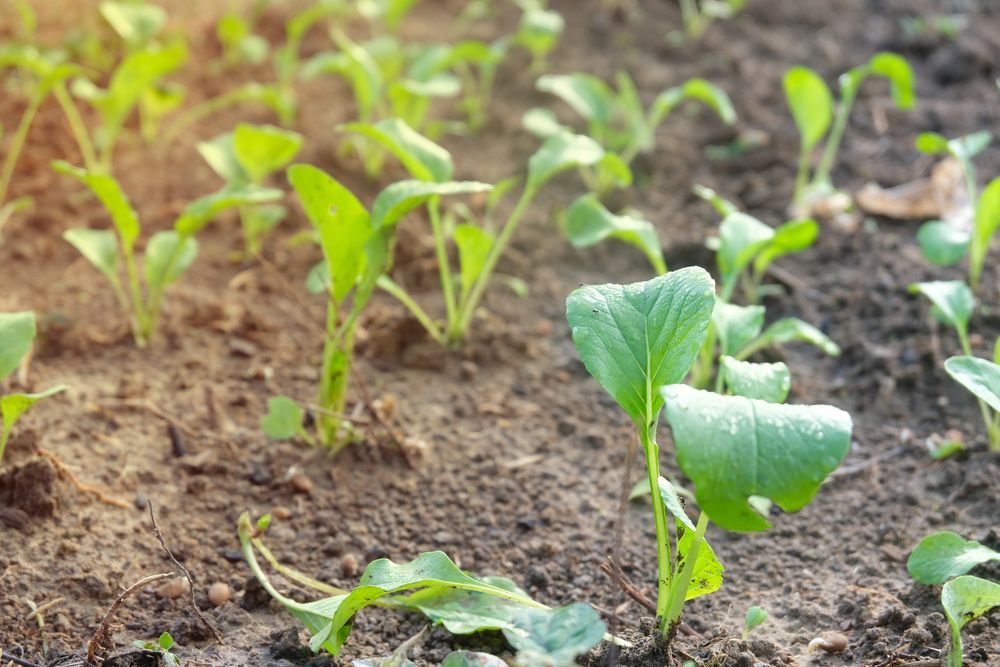
Site selection determines whether a food plot succeeds or becomes another patch of land wildlife ignore, which is why evaluation focuses on drainage behavior during wet periods, accessibility for maintenance equipment, visibility from observation points, and proximity to bedding cover that wildlife already use. Soil preparation includes vegetation removal, tilling to break compacted layers, and adjusting pH when necessary, since acidic Wisconsin soils often require lime application to support the legumes and brassicas that provide high-protein forage.
Once the plot is established and plants reach maturity, you'll notice defined travel patterns as deer and turkey move toward the food source during feeding windows, increased wildlife visibility from stand locations or trail cameras positioned near plot edges, and reduced browsing pressure on surrounding natural vegetation as animals concentrate activity within the plot itself. Properties with multiple plots in different locations often see staggered wildlife movement throughout the day, creating more opportunities during hunting season and distributing grazing pressure across the acreage.
Plot success also depends on ongoing management, including mowing to control weed competition in perennial plots, rotation strategies that prevent soil depletion, and adjusting plant selection based on observed wildlife preference and seasonal weather patterns that affect germination and growth rates.
Questions Before Starting Your Food Plot Project
Landowners throughout Jefferson and Fort Atkinson often ask similar questions when planning food plot installation on hunting properties and rural acreage.
What size plot works best for my property?
Plot size depends on the total acreage, number of deer the property supports, and whether you're creating a destination feeding area or a smaller staging plot near bedding cover, with most successful plots ranging from one-quarter acre to two acres depending on these factors.
When should plots be installed to maximize wildlife activity?
Timing depends on the plant species selected, but most Wisconsin food plots are either spring plantings that provide summer and early fall forage or late summer plantings that mature into fall and provide cold-weather nutrition when natural browse becomes scarce.
How does soil quality affect what can be planted?
Soil pH, drainage, and organic matter content determine which plant species will thrive, and southeastern Wisconsin properties with heavy clay soils and lower pH levels often require lime application and species selection that tolerates wet spring conditions and compaction.
What vegetation management happens before planting?
Existing grass, brush, and weed growth must be cleared and the soil worked to create a seedbed, which may involve mowing, tilling, or herbicide application depending on what's currently growing and how aggressive the root systems are.
How often do food plots need maintenance after installation?
Perennial plots require annual mowing and occasional overseeding, while annual plots need complete replanting each season, and both benefit from soil testing every few years to monitor nutrient levels and pH changes that affect plant performance.
Snow & Seed Property Maintenance works with landowners across southeastern Wisconsin to develop food plot strategies that match property conditions and wildlife management goals. Arrange a site evaluation to review your acreage and discuss planting options suited to your terrain and objectives.